Vietnam has quietly ascended to become the world's third-largest textile and garment exporter, trailing only China and Bangladesh in global rankings. This remarkable achievement came after two decades of consistent growth, with the industry now accounting for nearly 16% of the country's total exports. However, beneath the surface of these impressive statistics lie structural vulnerabilities that could undermine Vietnam's position in the coming years.
The textile sector's explosive growth stems largely from Vietnam's strategic positioning during the US-China trade war. As American buyers sought alternatives to Chinese manufacturing, Vietnamese factories absorbed substantial orders almost overnight. This windfall created an illusion of invincibility within the industry, masking fundamental weaknesses in supply chain autonomy and value-added production.
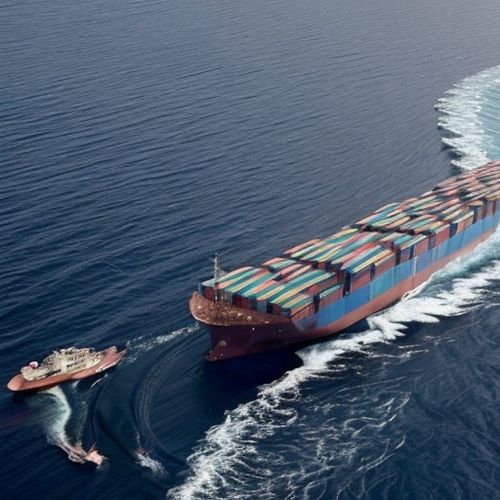
Raw material dependency remains Vietnam's Achilles' heel. Despite exporting $44 billion worth of textiles and garments annually, approximately 65% of raw materials must be imported, primarily from China and South Korea. This import reliance creates multiple pressure points - from vulnerability to global price fluctuations to geopolitical risks in the South China Sea that could disrupt shipping lanes. Domestic cotton production meets less than 1% of industry needs, while synthetic fiber manufacturing capacity remains woefully inadequate for supporting export volumes.
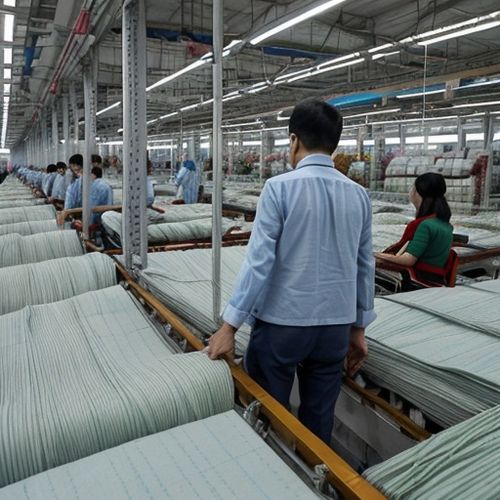
Workforce challenges are emerging as another critical constraint. The industry employs about 2.7 million workers, making it Vietnam's largest formal employment sector. However, rising wage expectations and improved education opportunities are making factory jobs less attractive to younger generations. Many skilled workers are migrating to higher-paying electronics and service industries, leaving textile factories struggling to maintain production quality. The average garment worker's monthly wage of $280-320, while competitive regionally, fails to retain talent in increasingly urbanized areas.
Environmental sustainability pressures are mounting from European buyers, who account for 13% of Vietnam's textile exports. New EU regulations like the Corporate Sustainability Reporting Directive (CSRD) will require Vietnamese suppliers to disclose detailed environmental impact data starting in 2024. Most small and medium factories lack the technical capacity or financial resources to implement proper wastewater treatment systems, let alone comprehensive carbon footprint tracking. This compliance gap could force consolidation in the industry, eliminating the very subcontractors that provide production flexibility during peak seasons.
Technological stagnation threatens Vietnam's competitiveness against more advanced manufacturing hubs. While Chinese and Turkish producers have invested heavily in automation and smart factories, Vietnamese firms remain reliant on manual labor for 85% of production processes. This labor-intensive model becomes problematic as orders increasingly demand smaller batches with faster turnaround times - a shift driven by fast-fashion retailers adopting "nearshoring" strategies in Western markets.
The free trade agreement advantage that propelled Vietnam's export boom may be reaching its limits. While agreements like EVFTA (EU-Vietnam) and CPTPP have provided tariff benefits, rules of origin requirements are becoming stricter. To qualify for preferential tariffs, Vietnamese manufacturers must prove substantial regional value addition - a difficult task when most high-value inputs like specialized fabrics and trims are imported. This paradox leaves producers caught between rising material costs and buyer pressure to maintain low prices.
Brand concentration risk looms large over the industry. Just fifteen multinational buyers account for over 60% of Vietnam's textile exports, creating dangerous dependency. Recent order cuts by major fast fashion brands during inventory gluts demonstrated how quickly production lines can go idle. Unlike Bangladesh, which has diversified into technical textiles, Vietnam remains overwhelmingly focused on apparel segments with the thinnest profit margins.
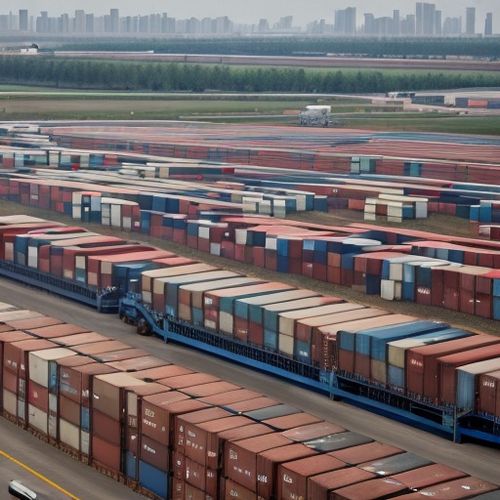
Infrastructure bottlenecks are emerging as export volumes grow. Port congestion during peak seasons adds 5-7 days to shipping times, while unreliable power supply in industrial zones causes frequent production stoppages. The much-anticipated North-South high-speed railway project, which could dramatically improve logistics, remains stalled in planning phases. These physical constraints limit manufacturers' ability to meet just-in-time delivery expectations from global brands.
Perhaps most concerning is the lack of domestic branding capability. After thirty years as a contract manufacturing hub, Vietnam has failed to develop internationally recognized apparel brands of its own. This OEM (original equipment manufacturer) mentality leaves the industry perpetually at the mercy of foreign buyers' whims. While countries like Turkey and India have successfully transitioned some factories to ODM (original design manufacturing) and OBM (original brand manufacturing) models, Vietnamese firms continue competing primarily on price rather than innovation.
The government's industrial policy appears torn between competing priorities. While official rhetoric emphasizes moving up the value chain, actual support measures like tax incentives still favor pure export volume growth. Complex bureaucratic procedures discourage investment in textile dyeing and finishing - the higher-value segments that could reduce import dependency. Without coherent policy realignment, Vietnam risks being trapped in the low-value segment of global supply chains.
Emerging competition from alternative manufacturing bases adds urgency to these challenges. Countries like Ethiopia and Myanmar offer labor costs 30-40% lower than Vietnam's, while advanced economies are experimenting with automated "lights-out" factories that could eventually repatriate production. The window for Vietnam to upgrade its industry before these threats materialize may be closing faster than anticipated.
Currency volatility presents another hidden risk. The Vietnamese dong's relative stability against the dollar has been a historical advantage, but increasing US interest rates and global inflation pressures are testing this equilibrium. Any significant depreciation would increase costs for imported materials, while appreciation could make exports less competitive - a lose-lose scenario for manufacturers.
Social compliance costs are quietly eroding profit margins. As international labor standards become stricter, factories must invest heavily in improved dormitories, childcare facilities, and safety equipment to maintain certifications. These necessary improvements come at a time when buyers resist price increases, squeezing manufacturers from both directions. The ethical consumption movement, while morally justified, may inadvertently accelerate the offshoring of production to less regulated markets.
The path forward requires difficult transitions. Vertical integration through domestic textile park developments could alleviate raw material shortages. Workforce upskilling programs must go beyond basic sewing training to include quality control and lean manufacturing techniques. Strategic partnerships with European technology providers could accelerate sustainable production adoption. Most crucially, Vietnamese firms need to develop proprietary designs and brands that capture more value from the global supply chain.
Vietnam's textile success story remains impressive, but unsustainable in its current form. The industry stands at a crossroads - either undertake painful upgrades to compete in tomorrow's market, or risk becoming another casualty in the relentless migration of global manufacturing. The decisions made by both policymakers and corporate leaders in the coming 3-5 years will determine whether Vietnam's textile sector becomes a developed industry or remains stuck in the middle-income trap that ensnared so many developing economies before it.
By Sophia Lewis/Apr 6, 2025

By Emily Johnson/Apr 6, 2025

By Noah Bell/Apr 6, 2025

By Victoria Gonzalez/Apr 6, 2025
By George Bailey/Apr 6, 2025

By Michael Brown/Apr 6, 2025

By Samuel Cooper/Apr 6, 2025
By Sophia Lewis/Apr 6, 2025
By Benjamin Evans/Apr 6, 2025

By Samuel Cooper/Apr 6, 2025

By Lily Simpson/Apr 6, 2025
By Christopher Harris/Apr 6, 2025
By Megan Clark/Apr 6, 2025
By Natalie Campbell/Apr 6, 2025

By Noah Bell/Apr 6, 2025
By Olivia Reed/Apr 6, 2025
By Sarah Davis/Apr 6, 2025
By James Moore/Apr 6, 2025
By Benjamin Evans/Apr 6, 2025
By Benjamin Evans/Apr 6, 2025