The long-anticipated free trade agreement between the United Kingdom and India has entered its most delicate phase, with both sides grappling with fundamental differences that threaten to derail what was once touted as a post-Brexit triumph for British trade policy. What began as enthusiastic talks in 2022 has transformed into a complex diplomatic minuet, where cultural sensitivities, economic priorities, and political timetables collide.
At the heart of the stalemate lies the question of market access for professional services. British negotiators have pushed hard for greater liberalization of India's legal, accounting, and architectural sectors - areas where UK firms maintain competitive advantage. However, New Delhi remains wary of exposing its domestic service providers to foreign competition without reciprocal benefits in goods trade. "The Indians aren't just playing hardball," remarked a Whitehall official speaking on condition of anonymity. "They're rewriting the rulebook on what constitutes balanced concessions."
Tariff tensions on automobiles and Scotch whisky have emerged as particularly contentious flashpoints. UK exporters view reduced Indian tariffs as essential for compensating losses in European markets post-Brexit. Yet Indian automakers, still recovering from pandemic disruptions, fear being undercut by British imports. The whisky dilemma cuts both ways - while Scotland's distilleries eye India's burgeoning middle class, New Delhi protects its domestic spirits industry with tariffs exceeding 150%.
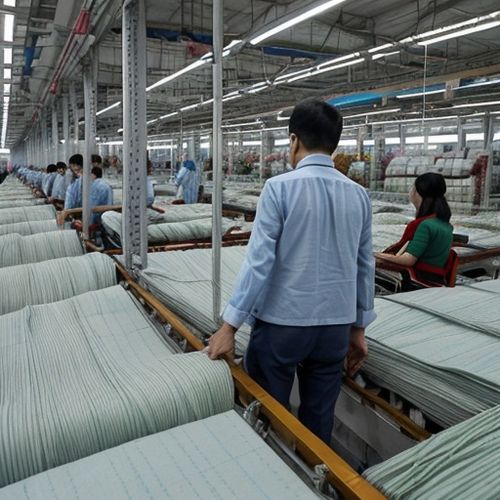
Behind the technical disputes lurks a more profound philosophical divide about the agreement's purpose. British negotiators envision a comprehensive, modern trade pact that sets standards for digital trade and intellectual property. Their Indian counterparts, by contrast, prioritize immediate market access gains for traditional sectors like textiles and pharmaceuticals. This clash of visions has produced what one trade analyst described as "parallel negotiations where both sides seem to be discussing different agreements."
The visa question has injected additional complexity into already fraught discussions. India seeks greater mobility for its professionals, including easier access to UK work visas and recognition of Indian qualifications. But with immigration remaining a toxic issue in British politics, the UK team finds itself constrained by domestic pressures unrelated to trade economics. "We're negotiating with two governments simultaneously," an Indian commerce ministry official quipped, "the one in London and the one in the British tabloids."
Agricultural products represent another minefield. Britain's stringent sanitary and phytosanitary standards effectively block many Indian farm exports, while New Delhi's reluctance to accept UK food standards has stalled progress on dairy and meat products. The political sensitivity of agriculture in both countries has led negotiators to repeatedly table the entire sector rather than risk domestic backlash from farming constituencies.
Timing complications have further muddied the waters. The UK government, facing an impending general election, had hoped to showcase the India deal as a Brexit dividend. India's approaching national elections have similarly hardened New Delhi's bargaining position, as concessions could be portrayed as weakness by political opponents. "There's a shrinking window where both governments have sufficient political capital to sell compromise," noted a former UK trade negotiator now with a London think tank.
The data localization debate exemplifies how 21st century trade issues have complicated traditional negotiation frameworks. UK digital service providers oppose India's requirements that certain data be stored locally, while Indian officials cite sovereignty and security concerns. This impasse has stalled progress on entire chapters of the agreement, with neither side willing to establish precedents that might affect other trade negotiations.
Investment protection clauses have become unexpectedly problematic. British investors seek robust mechanisms to safeguard against arbitrary regulatory changes, while India remains cautious after several high-profile arbitration cases under similar provisions in other treaties. The tension reflects a broader global reassessment of investor-state dispute systems that many developing nations view as disproportionately favoring Western corporations.
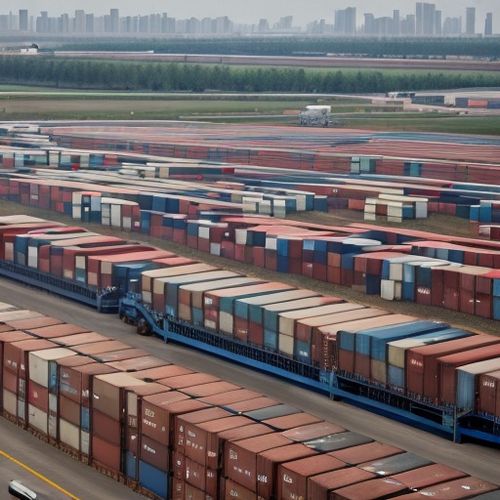
Rules of origin requirements - always technically complex - have taken on outsized importance in these talks. Both economies maintain intricate supply chains that complicate determinations of what constitutes a "British" or "Indian" product. The automotive and pharmaceutical sectors have become particular sticking points, with each side proposing origin criteria that the other deems either too lax or unnecessarily restrictive.
Perhaps most surprisingly, the services trade - theoretically an area of natural complementarity - has generated its own disputes. Beyond the professional services deadlock, disagreements persist over mutual recognition of qualifications, domestic regulation of service providers, and market access commitments in sectors from education to healthcare. The services chapter, once envisioned as a centerpiece of the agreement, now risks being among its most diluted sections.
The geopolitical backdrop adds another layer of complexity. As the UK seeks to redefine its global role post-Brexit and India pursues strategic autonomy amid U.S.-China tensions, the trade negotiations have occasionally become collateral in broader diplomatic positioning. Some analysts suggest both sides have allowed non-trade considerations to influence their economic calculus, producing negotiating positions that appear inconsistent with their stated commercial objectives.
Technical barriers to trade, often overlooked in public discussions, have emerged as quiet deal-breakers. Differing product standards, testing requirements, and certification procedures between the two economies have proven more difficult to reconcile than anticipated. These unglamorous but critical details have forced repeated revisions to draft agreement texts, frustrating hopes for quick resolution.
As negotiations enter what both sides describe as their "final stages," the fundamental question remains whether the political will exists to bridge remaining gaps. The potential economic gains - estimated at billions annually for both economies - continue to motivate negotiators. Yet with each passing month, the original ambitions for a "gold standard" agreement appear increasingly diluted by political realities and negotiating fatigue.
The ultimate shape of any agreement may come down to which side proves more willing to accept suboptimal terms in service of broader strategic objectives. For Britain, a deal with India represents validation of its post-EU trade strategy. For India, the pact offers symbolic and substantive weight to its growing economic prominence. Whether these considerations will overcome substantive differences remains the central unanswered question as talks continue behind closed doors in London and New Delhi.

By Sophia Lewis/Apr 6, 2025

By Emily Johnson/Apr 6, 2025

By Noah Bell/Apr 6, 2025

By Victoria Gonzalez/Apr 6, 2025
By George Bailey/Apr 6, 2025

By Michael Brown/Apr 6, 2025

By Samuel Cooper/Apr 6, 2025

By Sophia Lewis/Apr 6, 2025
By Benjamin Evans/Apr 6, 2025

By Samuel Cooper/Apr 6, 2025

By Lily Simpson/Apr 6, 2025
By Christopher Harris/Apr 6, 2025

By Megan Clark/Apr 6, 2025

By Natalie Campbell/Apr 6, 2025

By Noah Bell/Apr 6, 2025
By Olivia Reed/Apr 6, 2025
By Sarah Davis/Apr 6, 2025
By James Moore/Apr 6, 2025
By Benjamin Evans/Apr 6, 2025
By Benjamin Evans/Apr 6, 2025