The ongoing crisis in the Red Sea has sent shockwaves through global supply chains, with Europe's automotive industry bearing a significant brunt. Disruptions to shipping routes have forced manufacturers to rethink logistics strategies, leading to delays, increased costs, and production bottlenecks. As tensions persist, the ripple effects are becoming more pronounced, threatening to reshape the continent's automotive supply network in ways that could have lasting implications.
Shipping Delays and Rising Costs
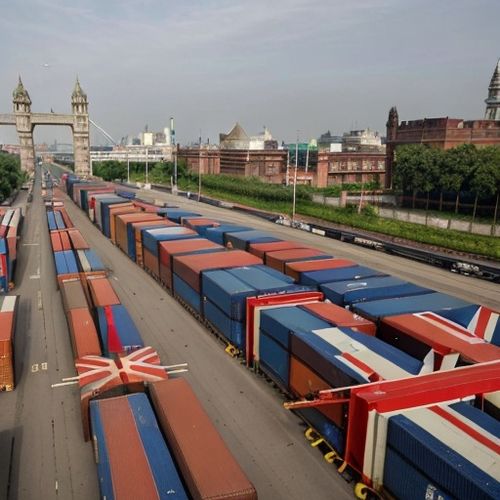
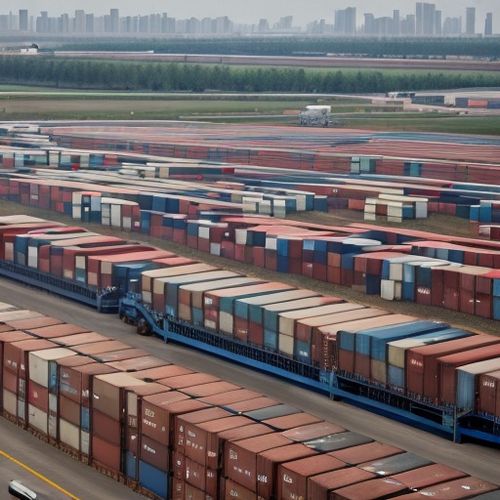
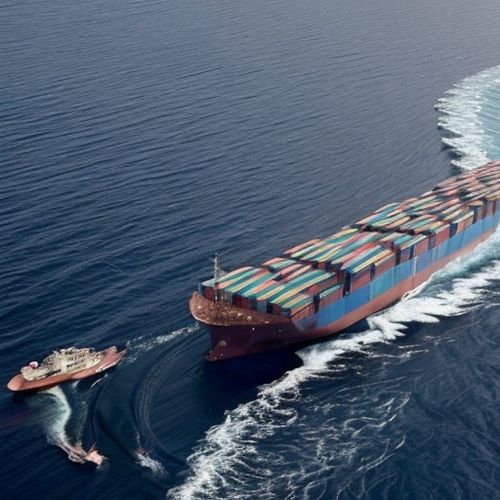
One of the most immediate consequences of the Red Sea crisis has been the rerouting of vessels away from the Suez Canal, a critical artery for trade between Asia and Europe. Many carriers are now opting for the longer journey around the Cape of Good Hope, adding weeks to delivery times and substantially increasing fuel expenses. For European carmakers reliant on just-in-time manufacturing, these delays have disrupted carefully calibrated production schedules. Components that once arrived with precision timing are now stuck in transit, forcing factories to slow output or idle lines entirely.
The financial impact has been severe. Shipping container rates have skyrocketed, with some routes seeing increases of over 300% since the crisis began. These additional costs are quickly working their way through supply chains, putting pressure on already tight automotive margins. Smaller suppliers, particularly those without the bargaining power to negotiate favorable freight contracts, find themselves in especially precarious positions. Industry analysts warn that these cost pressures may eventually translate into higher vehicle prices for European consumers.
Component Shortages Resurface
Just as the automotive industry was recovering from pandemic-era semiconductor shortages, the Red Sea disruptions have introduced new component scarcity issues. Many European manufacturers source critical parts from Asian suppliers, particularly for increasingly important electric vehicle components like battery cells and power electronics. With shipments delayed, inventory buffers that companies had carefully rebuilt are being rapidly depleted.
The situation has been particularly challenging for German automakers, whose premium vehicles often incorporate specialized components with few alternative sources. Some factories have reported having to store partially completed vehicles awaiting missing parts, tying up capital and factory space. The return of component shortages has reignited debates about the risks of extended global supply chains and the need for greater European self-sufficiency in key automotive technologies.
Alternative Routes and Their Limitations
In response to the crisis, some companies have attempted to shift transportation modes, moving goods by air or exploring land-based alternatives like the Middle East-Europe rail corridors. However, these options come with their own challenges. Air freight capacity is limited and prohibitively expensive for many automotive components, while rail networks lack the scale to handle more than a fraction of the diverted sea cargo.
The rail alternative through Russia remains politically unpalatable for many European firms following the Ukraine invasion, despite its potential to reduce transit times. This leaves manufacturers with few good options, forcing many to simply absorb the delays and costs while hoping for a resolution to the Red Sea tensions. The situation has highlighted Europe's vulnerability to disruptions in distant but critical shipping lanes.
Long-Term Strategic Shifts
Beyond immediate operational challenges, the Red Sea crisis is accelerating strategic rethinking within the European automotive industry. Many executives now openly discuss the need to reduce dependence on single transportation routes and distant suppliers. Some manufacturers are revisiting near-shoring strategies, looking to bring more production back to Europe or nearby regions like North Africa.
The crisis has also given new urgency to discussions about European battery production independence. With Asian-sourced battery components particularly affected by shipping disruptions, policymakers and industry leaders are pushing harder to build complete domestic supply chains for electric vehicle components. However, such transitions require massive investments and will take years to implement fully.
Consumer Impact and Market Dynamics
European car buyers are beginning to feel the effects of these supply chain disruptions. Delivery times for new vehicles have extended significantly, with some popular electric models now quoting wait times of nine months or more. The used car market has seen prices firm as consumers unable to get new vehicles turn to alternatives. These dynamics threaten to slow Europe's ambitious transition to electric mobility just as it was gaining momentum.
Luxury brands with higher margins have more flexibility to absorb increased logistics costs, but mass-market manufacturers face difficult choices between protecting profitability and maintaining affordability. Some analysts suggest the crisis could accelerate consolidation in the European auto industry as smaller players struggle with the compounded challenges of supply chain disruption and the costly transition to electric vehicles.
Looking Ahead
As the Red Sea situation continues with no clear resolution in sight, European automakers are preparing for prolonged disruption. Many are implementing more conservative inventory policies, building larger stocks of critical components where possible. Others are diversifying their supplier bases, though qualifying new vendors takes time. The crisis has underscored how geopolitical instability in one region can quickly ripple through globalized industries.
While the immediate focus remains on mitigating current challenges, the longer-term lesson for Europe's automotive sector may be the need to build more resilient, geographically balanced supply networks. As climate change and geopolitical tensions make global shipping routes increasingly unpredictable, the ability to source and manufacture closer to home may become not just advantageous but essential for survival in the competitive automotive landscape.

By Sophia Lewis/Apr 6, 2025

By Emily Johnson/Apr 6, 2025

By Noah Bell/Apr 6, 2025

By Victoria Gonzalez/Apr 6, 2025
By George Bailey/Apr 6, 2025

By Michael Brown/Apr 6, 2025

By Samuel Cooper/Apr 6, 2025

By Sophia Lewis/Apr 6, 2025
By Benjamin Evans/Apr 6, 2025

By Samuel Cooper/Apr 6, 2025

By Lily Simpson/Apr 6, 2025
By Christopher Harris/Apr 6, 2025
By Megan Clark/Apr 6, 2025

By Natalie Campbell/Apr 6, 2025

By Noah Bell/Apr 6, 2025
By Olivia Reed/Apr 6, 2025
By Sarah Davis/Apr 6, 2025
By James Moore/Apr 6, 2025

By Benjamin Evans/Apr 6, 2025
By Benjamin Evans/Apr 6, 2025