Nestled in the eastern Himalayas, Bhutan has long been synonymous with exclusivity and mindful tourism. The kingdom’s unique approach to travel—prioritizing sustainability over mass tourism—has historically attracted discerning visitors willing to pay a premium for transformative experiences. However, the pandemic and subsequent fee adjustments created uncertainty in the luxury travel market. Now, with a recalibrated Sustainable Development Fee (SDF) structure, Bhutan is witnessing a quiet but significant resurgence of high-net-worth travelers.
The government’s decision to reduce the daily SDF from $200 to $100 for adults (with children exempted) in September 2023 marked a strategic shift. While the fee remains substantial compared to regional alternatives, the adjustment signaled flexibility without compromising Bhutan’s low-volume, high-value tourism ethos. Early indicators from luxury tour operators reveal a 40-60% increase in inquiries for 2024 compared to the same period last year, with bookings for premium lodges and private itineraries rebounding faster than anticipated.
A Delicate Balance: Conservation and Commerce
Bhutan’s tourism model has always walked a tightrope between preserving cultural integrity and generating revenue. The SDF, initially introduced to offset tourism’s environmental impact, funds education, healthcare, and infrastructure projects. Yet, post-pandemic, the $200 rate drew criticism for stifling recovery. The revised fee strikes a nuanced compromise—maintaining the country’s aspirational positioning while acknowledging economic realities. "The adjustment wasn’t about desperation," explains a Thimphu-based policy advisor. "It was about optimizing appeal to our core demographic: travelers who value exclusivity but also expect fairness."
Luxury operators note subtle shifts in client psychology. "The $200 fee became a psychological barrier, even for affluent clients," shares the CEO of a high-end travel consortium. "At $100, guests perceive better value, especially when paired with Bhutan’s visa facilitation improvements." The introduction of faster e-visa processing and extended maximum stays (up to 30 days) has further enhanced accessibility for wealthy travelers seeking immersive journeys.
The New Luxury Traveler Profile
Demand patterns reveal intriguing trends. While traditional markets like the US and Europe remain strong, there’s surging interest from Middle Eastern travelers—particularly from the UAE and Saudi Arabia—and a renewed appetite among Asia’s ultra-wealthy. These groups are booking longer stays (averaging 10-14 nights versus the pre-pandemic 7) and opting for add-ons like helicopter transfers, private monastery blessings, and curated culinary trails.
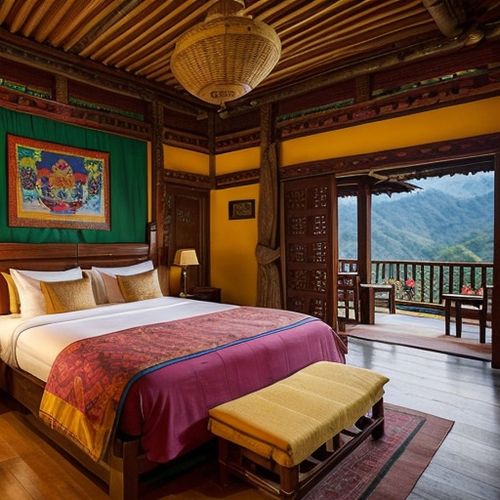
Notably, the returning clientele isn’t just seeking lavish accommodations but deeper engagement. "We’re designing more ‘philanthropic itineraries’ where guests visit SDF-funded projects," says a Paro-based tour designer. High-profile examples include stays at the newly opened Six Senses Bhutan lodges, where guests participate in citizen science programs tracking snow leopards—a compelling blend of luxury and legacy.
Challenges and Cautious Optimism
Despite the uptick, operators caution against premature celebration. Global economic headwinds and air connectivity limitations (only Druk Air and Bhutan Airlines serve international routes) cap growth potential. Some luxury properties report staffing shortages as skilled workers migrated during the tourism hiatus. "The rebound is real but fragile," admits a veteran hotelier. "Our challenge is maintaining service excellence while scaling sustainably."
Government data suggests the SDF revision may achieve its dual aims: annual tourist numbers are projected to reach 65% of 2019 levels by December 2024, with revenue per visitor down only 15% despite the lower fee—a testament to increased spending on high-margin experiences. This aligns with Bhutan’s Gross National Happiness philosophy, where economic metrics intertwine with social and environmental well-being.
The Road Ahead: Beyond the Fee Structure
Industry leaders agree that fee adjustments alone won’t secure long-term success. Bhutan must continually refine its value proposition. Upcoming initiatives include curated luxury festivals (like a proposed Himalayan gourmet retreat featuring Michelin-starred chefs) and partnerships with premium brands for limited-edition cultural collaborations. There’s also talk of tiered SDF structures offering enhanced benefits—priority access to restricted sites or private cultural performances—for an elevated fee.
As dawn breaks over the Tiger’s Nest monastery, the faint hum of helicopter rotors signals the return of a familiar rhythm. For Bhutan, the path forward isn’t about chasing tourist numbers but nurturing what one guide calls "the right kind of footsteps"—those that tread lightly yet leave enduring impressions. The revised SDF appears to be steering that delicate balance, proving that even in luxury tourism, authenticity remains the ultimate currency.
By Thomas Roberts/Apr 6, 2025

By Thomas Roberts/Apr 6, 2025

By Ryan Martin/Apr 6, 2025
By George Bailey/Apr 6, 2025
By Laura Wilson/Apr 6, 2025
By Rebecca Stewart/Apr 6, 2025
By Thomas Roberts/Apr 6, 2025
By Elizabeth Taylor/Apr 6, 2025
By Jessica Lee/Apr 6, 2025
By Rebecca Stewart/Apr 6, 2025
By Sarah Davis/Apr 6, 2025
By George Bailey/Apr 6, 2025
By Megan Clark/Apr 6, 2025
By William Miller/Apr 6, 2025
By John Smith/Apr 6, 2025
By James Moore/Apr 6, 2025
By Jessica Lee/Apr 6, 2025
By Christopher Harris/Apr 6, 2025
By Joshua Howard/Apr 6, 2025

By Noah Bell/Apr 6, 2025